Search

22 Apr 2026

Your voice matters: Why farmers should respond to the Defra animal health consultation

Deadline: Midnight, 18 May 2026

The government is currently consulting on proposals that could change how animal health and welfare is managed farms and Defra is asking for your views.

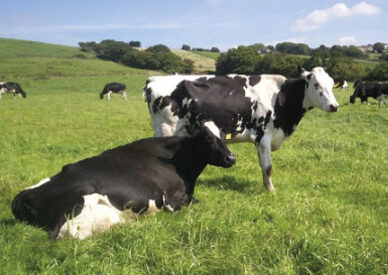
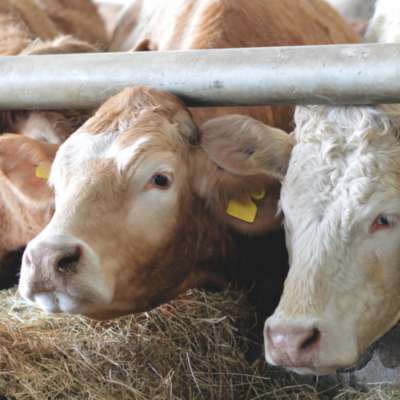
If your farm sheep, cattle or pigs, this consultation matters to you.

This is not a rubber-stamp exercise. It is a genuine consultation, and the outcome will be shaped by who responds.

What’s happening?

The Animal Health and Welfare (AH&W) Pathway was built by industry and government working together to support continuous improvement in farm animal health and welfare. Defra is now exploring whether participation in certain elements of the Pathway should become mandatory in the sheep, dairy, beef and pig sectors.

It asks questions about what could work in practice, what concerns you may have, and what ideas you’d like to see considered.

This consultation is your chance to influence:

  • What measures might become compulsory
  • How they would work in practice
  • What support farmers would need

Your input can shape the outcome. Critically, no decisions have been made yet. Defra wants to hear from farmers, vets and others working in agriculture before anything is finalised.

Why your response matters

If farmers don’t respond, others will shape the future on your behalf.

Trade bodies will submit views, but they cannot replace your individual experience. Real, practical feedback from farmers is what carries weight. There is proof this works. Feedback from pig producers has already led to changes in PRRs testing under the current Pathway.

What you need to do

You don’t have to complete the whole consultation.

Just:

  • Go to the sections relevant to your farm
  • Answer the questions that matter to you
  • Share your honest, practical views

Even a short response is valuable.

What’s relevant to you?

Sheep farmers

Focus on Animal Health & Welfare Review and flock health planning (including parasite control). A few broader questions at the end give you space to raise wider concerns.

Beef and dairy farmers

Key sections include the Review and proposals around BVD – covering herd status, eradication and biosecurity planning.

Pig farmers

Includes PRRS testing and status reporting. Previous farmer feedback has already improved these proposals – this is your chance to influence them further.

How to respond

The consultation is open until midnight, 18 May 2026.

Respond here: Animal Health and Welfare Pathway: Mandatory Proposals – Defra – Citizen Space

22 Apr 2026

Out and about in 2026: Putting farmer conversations first

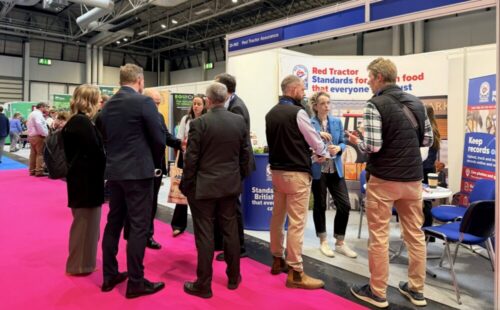
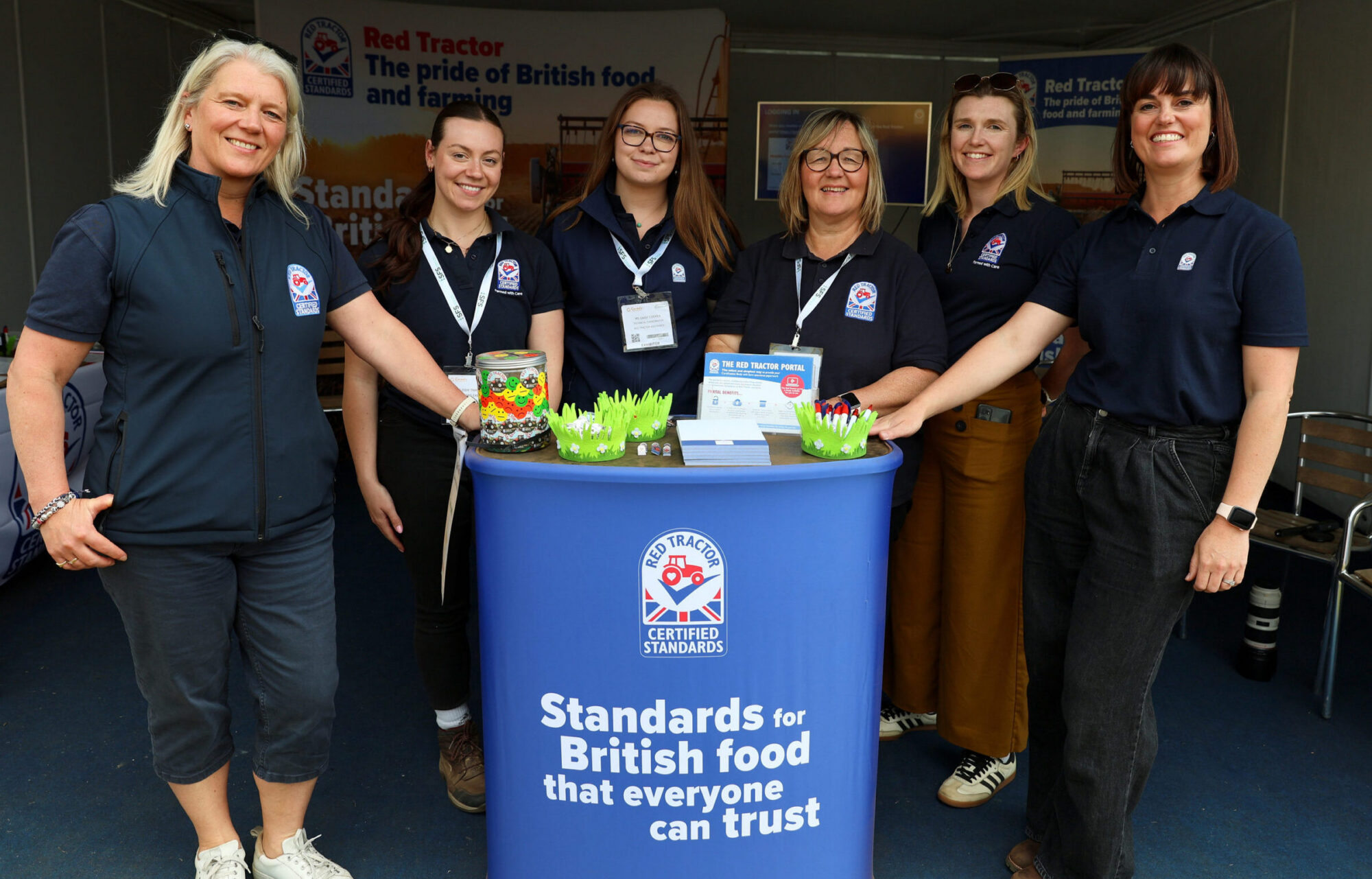
Throughout the 2026 show season, Red Tractor is stepping out from behind the desk and getting into the field. From early May through to late summer, we want to have meaningful conversations with the farmers at the heart of the scheme.

We’ll kick things off at the Pig & Poultry Fair in early May, followed by the NBA Beef Expo later that month. June sees us heading to Cereals and the Festival of Fresh, before rounding off with the NSA Sheep Event at the end of July.

You’ll also spot the team on the road at Balmoral, the Royal Highland Show and the Royal Welsh Show, ensuring we’re present across all corners of the UK.

Where to find us:

  • 13th & 14th May – Pig & Poultry Fair, NEC Birmingham.
  • 30th May – NBA Beef Expo, Melton Mowbray Mart, Leicestershire.
  • 10th June – Festival of Fresh, G’s, Cambridgeshire.
  • 10th & 11th June – Cereals, Diddly Squat Farm, Oxfordshire.
  • 28th July – NSA Sheep Event, Malvern, Worcestershire.

Our new CEO, Paul McLaughlin, will be at the Red Tractor stand at this year’s Pig & Poultry Fair on 13 May between 12.15 – 1.15 and 4.00-5.00pm.

But this year isn’t just about attending events, it’s about the conversations we have when we’re there.

Ensuring standards reflect modern farming

The future direction of Red Tractor only works if it reflects what’s happening on farm. That’s why listening directly to farmers is so important, especially as we continue progressing the recommendations of the Farm Assurance Review and the Standards Review programme. Farmer and grower input ensures any changes are practical, workable, and grounded in day-to-day farm life.

Ready to listen

That’s why we’re making a real effort this year to be present, open, and ready to listen. Whether you have specific concerns, practical suggestions, or simply want to understand more about how the scheme works, the team will be there for honest, two-way conversations.

These discussions shape what we do, influencing how standards evolve and how we communicate, all in a way that stays rooted in real farming experience.

13 Apr 2026

Make your surplus produce count

Red Tractor Fresh Produce members are invited to participate in FareShare’s scheme to avoid surplus waste.

As a trusted assurance scheme for UK farms and growers, Red Tractor standards set out how members should manage waste responsibly. Where waste cannot be used on farm, it must be disposed of legally and in a way that minimises contamination and pollution risks with registered waste carriers.

Helping growers meet environmental and social goals

This focus on responsible waste management complements efforts to divert fit-to-eat surplus fresh fruit and vegetables away from landfill and into organisations that are helping growers meet both environmental and social goals.

FareShare and The Felix Project have joined forces this year to become the UK’s largest food redistribution charity, working across the food industry to rescue surplus food and get it onto the plates of people in need. They work with 8,000 organisations supporting people in need around the UK. Each year an estimated 4.6 million tonnes of good to eat food is wasted across the UK’s food supply chain, with 2.9m tonnes of that waste occurring at the farm gate. At the same time, more than 1 in every 7 people in the UK don’t get enough to eat.

Helping to feed people in need

Giving your surplus fresh produce to FareShare and The Felix Project is a practical way to make a real difference. At Red Tractor, we understand the time, energy and resources that go into growing high-quality food. By working with these organisations, your hard-earned harvest can help to feed people in need, rather than going to waste.

Thanks to a grant from the government’s Tackling Food Surplus at the Farm Gate scheme, FareShare and The Felix Project have invested in infrastructure and logistics, improving their ability to store, process and redistribute fresh fruit and vegetables.

Supporting local communities

Diverting surplus produce is straightforward, and funding support is available to help cover costs such as harvesting, grading, and packaging. You can turn unsold produce into a positive story for your business, while supporting local communities.

Half of the food redistributed in 2025 was fresh fruit and vegetables. This allowed more local charities to provide healthier, more nutritious meals to those in need.

Holly Wright, East of England Regional Manager at FoodCycle, an organisation supported through the FareShare and Felix Project network, explains why fresh produce matters to the charity:

“Having a variety of different fruit and vegetables means our cooking team can come up with interesting recipe ideas and create balanced meals without relying on store-cupboard items to bulk out the meals.”

Tackling food poverty and food waste

FoodCycle provides community meals with the aim of tackling both food poverty and food waste, while fostering connections within local communities.

Tim Casey, of J&V Casey & Son, explains why he recently donated surplus crop to FareShare:

Tim Casey

“We had got to the end of the leek season and found we were looking at a surplus, we also still had the staff available and able to work, so after a quick conversation with FareShare we agreed to harvest and load out several pallets of leeks, for which FareShare covered our costs to harvest, prep and outload. It meant the crop was used, and it saved us having to mulch the crops back in, with the additional cost and time that entails.”

Contact FareShare to discuss how you can make a difference: givefood@fareshare.org.uk

02 Apr 2026

Red Tractor celebrates Easter with trusted, British ingredients

As households across the UK prepare to celebrate Easter over the long weekend, Red Tractor is highlighting the role its food standards play in helping shoppers make confident choices, at Easter and throughout the year.

Easter remains one of the nation’s favourite moments to slow down and savour the comfort of home cooking. Consumers can mark the occasion by looking for the logo when shopping and picking up ingredients that are trusted and certifiably British.

Standards consumers can trust

The Red Tractor logo is a familiar sight in supermarkets and products carrying the mark meet some of the most comprehensive food assurance standards in the world. This ensures they are traceable, responsibly sourced and regularly checked by independent assessors.

When shoppers choose Red Tractor, they’re choosing:

  • Traceability: Every Red Tractor assured product can be traced back through its supply chain to the farm where it was produced.
  • Independent assurance: Regular, rigorous assessments give consumers confidence in how their food has been grown, cared for and prepared.
  • Responsible sourcing: Red Tractor standards cover food safety, animal welfare and environmental protection. This helps support farmers, safeguard animals and help protect the planet.

Seasonal staples all year round

While Easter is a natural moment to celebrate British food, Red Tractor’s work also covers every season. From summer barbecues to autumn roasts and festive winter favourites, the logo helps households shop with confidence all year long.

Whatever the time of year, the standards behind the Red Tractor mark remain consistent and trusted.

As Easter weekend approaches, Red Tractor is encouraging shoppers to keep an eye out for the logo. Whether it’s ingredients for hot cross buns or a weeknight family meal, the logo offers a straightforward way to choose traceable, independently assured British food.

31 Mar 2026

Red Tractor sharpens food safety focus

This article originally appeared in Fresh Produce Journal, March 2026

Red Tractor’s Fresh Produce assurance standards cover all fruit and vegetable crops and a wide range of production systems, ranging from low-risk vegetables that are usually cooked, such as potatoes, to higher-risk crops which can be eaten raw, such as leafy salads.

To ensure the standards remain relevant, fit-for-purpose and proportionate to risk, a full review is underway with an updated set of standards anticipated to be in place by spring 2027.

Sam Trevey, Fresh Produce Technical Manager at Red Tractor, says every single standard and audit point is being looked at to ensure it meets the needs of the full supply chain, with a key focus on food safety.

“The standards need to take into account the different risk categories within the sector,” he explains. “While it’s important the higher-risk crops, like salads, have more robust food safety standards, we don’t want to overburden those growing lower-risk crops, like potatoes, with the same standards.

“Equally, the sector and its needs aren’t static either – everything evolved and we need to be aware of shifting cultural norms and farming practices.”

Veryan Bliss, who was appointed Fresh Produce Sector Chair at Red Tractor in December 2025, says the review will be overseen by both the Fresh Produce Technical Advisory Committee (TAC) and the main Sector Board – before being signed off by the overarching Red Tractor Board of Directors.

Bliss adds: “We’re very lucky that there’s such a significant depth and breadth of knowledge on the TAC and Sector Boards with representatives from producers through to retailers.

“The TAC review and advise on the standards to ensure they’re relevant and practical, while horizon scanning to see what we need to include or adapt in line with developments in the sector while the Board reviews the appropriateness following guidance from the TAC.”

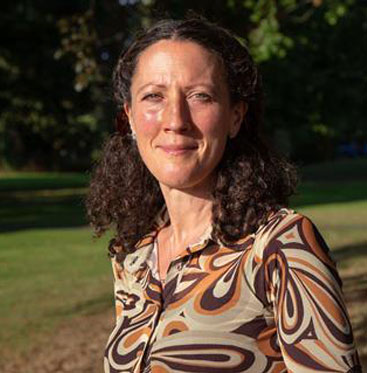
Barbara Bray MBE (pictured at the top) is the TAC Chair for Fresh Produce at Red Tractor. She says that in addition to a full review of the standards, a new working group has been set up to strengthen the standards governing leafy salads.

Bray, who leads the group, explains: “The British Leafy Salads Association and Chilled Foods Association came to us and requested we develop a module for leafy salads growers to strengthen food safety, which we’re planning to pilot in the next year.

“It follows an outbreak of Shiga Toxin-producing Escherichia coli (STEC) in 2024 linked to supermarket sandwiches. Although it wasn’t possible to identify the exact source, from an industry point of view, it highlights why it’s prudent to make sure strong standards are in place for food safety from the field and throughout the whole production process, so the industry isn’t left in the firing line.”

She says the shared ambition for the new leafy salads module is to bring the standard for food safety on farm to the same level across the board; demonstrate robust, trusted standards to consumers; and reduce the need for multiple, individual customer audits.

24 Mar 2026

From Red Tractor audits to Britain’s Got Talent

For Abbie Condon, a typical day usually involves the meticulous world of Red Tractor farm assurance and supply chain traceability. Recently, Red Tractor’s Operations Manager has traded her laptop screen for the glittering stage of the Birmingham Hippodrome, securing a Golden Buzzer on the 19th series of Britain’s Got Talent (BGT).

A major step outside of the comfort zone

As a member of the Hawkstone Farmers Choir, Abbie was part of the moving performance of “One Day Like This” that sent the group straight to the live semi-finals. Abbie, who lives just minutes from Jeremy Clarkson’s pub, The Farmer’s Dog, has a unique link to the project – she used to organise Jeremy’s own farm audits.

Red Tractor’s Abbie Condon and her dog on farm.

Abbie has worked in farm assurance for ten years. Her role involves coordinating traceability audits to ensure that products carrying the Red Tractor logo can be traced back to assured British farms, ensuring food is safe, traceable and farmed with care.

Abbie admits that singing in front of people was a major step outside of her comfort zone. “I love music and singing although don’t normally sing in front of people – I’m all about the car-karaoke” she laughed.

Bringing together the farming community

Beyond the entertainment, the choir serves as a vital outlet for its members. Abbie joined the group during a difficult time in 2025, finding that the community of like-minded agricultural professionals provided a significant boost to her mental health. The Hawkstone Farmers Choir brings together people from across the UK farming community who share a connection to agriculture and a love of singing, and for Abbie, it is a chance to “fly the flag” for the industry she has supported for a decade.

“I had a bit of a tough time in spring 2025…I saw the Facebook post and thought what a great way to distract me from what’s going on – and it certainly has!” Abbie explains. “It is such a privilege to be able to project British agriculture into the face of the nation that wouldn’t necessarily see us, and be able to tell our story.”

A vital support network

While the BGT success has been a whirlwind, the choir’s core mission remains raising awareness for mental health and suicide prevention within the agricultural sector. The group, which originally formed for a project with Jeremy Clarkson’s Hawkstone brand, serves as a vital support network for those facing the isolation and pressures of rural life.

Abbie and the Hawkstone Farmers Choir are now preparing for the live semi-finals and a series of new projects throughout 2026.

23 Mar 2026

Clarkson is right – standards matter

Jeremy Clarkson has used his Sunday Times column to call out apparent double standards in public sector food procurement.

Writing about the use of imported chicken in school meals, he described it as ‘staggering’ that food produced overseas can undercut locally produced British chicken.

Look for the logo to ensure produce has come from a British farm

He urged consumers wanting to buy British to look for the Red Tractor logo to ensure produce has come from a British farm and in doing so, highlighted the ‘lengths farmers go to, to produce high UK standards’, while competing with imports produced to very different ones.

He acknowledged that while meeting assurance requirements can feel demanding at times, it results in farms that are ‘clean, efficient and well-run, with animals properly cared for’.

Giving consumers confidence

Responding, Jim Moseley, CEO of Red Tractor, said: “Producing food to high standards doesn’t come without effort, but it’s something British farmers should be proud of. That commitment is what underpins the reputation of British food.

“Red Tractor exists to make that work visible. It gives consumers confidence that the food they’re buying is safe, traceable and responsibly produced here in the UK.

“It’s encouraging to see that recognition reflected in Clarkson’s comments. When he tells shoppers to ‘look for the little Red Tractor’, it reinforces the trust that consumers already place in British food and the standards behind it.

“Most importantly, it recognises the people behind it – British farmers.”

The importance of backing farmers who deliver high standards

Red Tractor is the UK’s largest food assurance scheme, with more than 40,000 farmers committed to producing food to rigorous standards covering animal welfare, food safety, traceability and environmental protection.

Clarkson’s comments reflect a growing understanding of how food is produced – and the importance of backing farmers who deliver high standards every day.

Mr Moseley adds: “I genuinely hope farmers take pride in this recognition – because it is truly deserved.”

20 Mar 2026

A day in the life of a Red Tractor farm assessor

This article was first published in British Dairying in March 2026.

Farm Assurance Assessor Jim Franklin explains how he carries out Red Tractor assessments and supports farmers in the process.

Having spent 30 years milking a herd of 150 Holstein Friesian cows, calving all year round, there’s no place I’d rather be than out on the farm, working with farmers. After leaving dairy farming, I was unsure what to do next, but my role as a Red Tractor assessor has allowed me to stay connected and support farmers in the sector. It’s opened my eyes to the different systems and innovative practices being used across the agricultural industry.

I typically visit one site a day to give farmers a good amount of time, and to ensure I don’t rush the process. This also means that every day offers something different, which I thoroughly enjoy. I travel the Scottish Borders, across Wales, down to Oxford and to Somerset, meeting farmers from dairy, beef, lamb, and arable sectors. They’re all working hard to produce high-quality British food in their own way – because of who they are, where they are and what they’re trying to achieve on their farm.

My preparation starts well before I set foot on a farm. About three weeks before each assessment, I will ring the farm to confirm the booking and details. During this call, I also check if they’re using the Red Tractor portal, which offers a great way to help prepare for an assessment. It’s not a requirement, but if they’re using the portal, I check they’re aware of its features and ask farmers to make sure their documents are uploaded 48 hours in advance of my visit to their farm.

It’s important to establish a positive relationship with farmers

This ensures I have time to review everything before I arrive. On the day of the assessment, I make sure I have the farm details ready, and all the essentials packed – a fully charged laptop, checklist, the Red Tractor standards, pen and paper, a clean pair of wellies and waterproofs.

When I arrive on the farm, the first step is to introduce myself to the farmer and explain exactly what I’m there to carry out, and the order for the next two to three hours. It’s important to establish a positive relationship with the farmers I assess.

I know they take pride in what they do, so I listen and reassure them that my role isn’t to catch anyone out. My job is to record the high standards they’re working to through consistent protocols, and a fair and open dialogue.

Understanding requirements

I am there to learn about how they farm, to share knowledge, and to aid their understanding of what the requirements of the standards are, which, when delivered with politeness, honesty, and a willingness to listen, is received positively. By the time I’m suited up, I have a good idea of how the farm is run and its layout, and the farmer knows what I’m there to look for.

I then start the walk around the farm, generally going from clean to dirty, beginning in the parlour, then moving to the cows, medicine cabinets, calf rearing, and so on. Next, we undertake a couple of audit trails – usually over a cup of tea – which involve reviewing the necessary paperwork and documentation used to capture objective evidence within the requirements of the standard.

During this closing meeting, I provide a summary of what we’ve seen and any non-conformances that need addressing. This is the time to answer any final questions and try to support the farmer as much as possible.

Even with my background in dairy farming, as a self-employed farm assurance assessor, I know that I need to keep learning to stay current. I’m regularly assessed to ensure that my knowledge is up-to-date.

Every five years I undergo animal welfare training with AssureWel and partake in annual mobility scoring exams with the Register of Mobility Scorers (RoMS). In addition, I have a witnessed assessment every two years, where a senior assessor accompanies me on farm to observe my work.

I also use the Red Tractor Online Academy and participate in webinars to make sure I’m aware of any changes in standards and protocols across the dairy, beef, lamb and crop sectors. My experience as a dairy farmer has proved to be one of the biggest assets in my role, particularly as one of the main misconceptions about assessors is that they don’t have the agricultural knowledge and experience.

Empathy with farmers

On top of my knowledge, 30 years in farming has allowed me to emphasise with the farmers I meet. I know what it’s like to feel nervous about an assessment, and to be on the other side of the table, having been through the same process myself. But I believe this experience makes me better at what I do.

On most occasions, I know the mindset I’m walking into, and the challenges farmers are facing, meaning I can approach each assessment with an understanding that every farm is unique. I’m proud to still be part of the industry I’ve always cared about, and if I can help farmers feel supported, confident and recognised for the standards they work hard to achieve, then I know I’m doing my job well.

13 Mar 2026

Red Tractor appoints new Chief Executive

Paul McLaughlin has been appointed Chief Executive of Red Tractor, the UK’s largest food and farm assurance scheme.

Paul McLaughlin has a distinguished career spanning food, farming and assurance. He started out in food manufacturing, working with Mars and The Coca-Cola Company before becoming the inaugural Chief Executive of Scotland Food & Drink where he brought together producers, processors and retailers. As Managing Director of fresh produce business, Scotty Brand, he oversaw the supply of a wide range of products including potatoes, carrots, fruit and meat to the UK’s major grocery retailers. He has also held leadership roles at the Building Engineering Services Association and most recently at the Rail Safety & Standards Board where he led the transformation of a major assurance scheme.

A scheme that works hard for farmers and growers

Talking about his appointment, Paul McLaughlin said: “British farming is the backbone of our food system, and the farmers and growers who meet the Red Tractor standard deserve a scheme that works as hard for them as they work for us. I want Red Tractor to be something that farmers can be genuinely proud of and that retailers and consumers trust completely. I’ll be doing a lot of listening first, and then getting to work.”

Alistair Macintosh, Chair of Red Tractor said: “Paul brings a unique blend of experience working within food, assurance and multistakeholder organisations. He really impressed the interview panel with his considered and strategic approach to leadership and demonstrated the dynamism needed to drive continued improvement at Red Tractor. I very much look forward to welcoming him to the Red Tractor team.”

Joining Red Tractor at a pivotal time

Paul’s appointment follows a comprehensive, open recruitment process and was ratified by Red Tractor’s Board of Directors on 13 March 2026. He joins Red Tractor at a pivotal time for the organisation as it continues to review its standards and deliver its vision to be the pride of British food and farming.  

Paul will take up the role on 5 May, enabling him to work alongside Red Tractor’s outgoing CEO, Jim Moseley, before Jim retires at the end of May.

Paul will join Red Tractor’s Board of Directors, working alongside industry, sector and independent directors representing the full breadth of UK food and farming.

Following the recent NFU elections, Paul Tompkins, NFU Deputy President has also joined the Board to represent the farming unions. He replaces outgoing director, David Exwood.

Read Paul McLaughlin’s answers to questions about what bought him to the role at Red Tractor

13 Mar 2026

Crops standards review “is about more than just reducing bureaucracy”

By Julian Sturdy, Red Tractor Combinable Crops and Sugar Beet Sector Chair.

Farmers and growers are no strangers to change. Whether driven by market demands or consumer expectations, the pressure to adapt is constant. Following last year’s farm assurance review (FAR) and Red Tractor’s announcement on a review of its standards, the industry is at a critical point – one that will determine how the scheme evolves to meet the demands of the farming sectors.

Standards that reflect unique needs and challenges

Growers have made it clear that the current system, with its overlapping standards and audit duplication, can feel more burdensome than beneficial. This review will look to streamline the assessment process, ensuring that each subsector – including crops and sugar beet – has standards that reflect its unique needs and challenges.

At the same time, the supply chain has shown a willingness to take a pragmatic approach, recognising growers’ concerns and the demand for an assurance scheme that works both on farm and for the end market.

Justified, necessary and fit for purpose

As a farmer and Chair of the Crops Sector Board, I’m actively facilitating these discussions across the supply chain to achieve consensus on the way forward. Both, the Sector Board and Technical Advisory Committee (TAC) bring together a wide range of voices, with strong grower and NFU representation to ensure concerns are fully considered throughout the sector.

In the coming months, we’ll review each standard, line by line, to ensure that’s it’s justified, necessary and fit for purpose. If it isn’t, we won’t include it. As part of this work, we’re considering whether more tailored standards that recognise the diversity within our sector are appropriate. This structure could also help to address concerns regarding imports produced to lower standards, undercutting Red Tractor assured cereals, particularly in feed.

Alongside the standards themselves, the assessment model is also under scrutiny. We continue to discuss whether lower risk farms with a strong compliance record could have less frequent audits, submitting evidence of compliance in-between via the portal.

Fit for the future

I want to stress that engagement remains central to this process. Revised standards are expected to go out for formal consultation in the autumn when growers will have another opportunity to the shape the outcome.

This review is about more than just reducing bureaucracy; it’s about ensuring that the Red Tractor scheme remains fit for the future. My hope is that the end result is a system that supports the future of British agriculture while ensuring that our products continue to meet the expectations of consumers and industry alike.

This article was originally published in CPM Magazine in March 2026.