Search

20 May 2026

Collaboration, confidence and standards: Red Tractor at Pig & Poultry Fair 2026

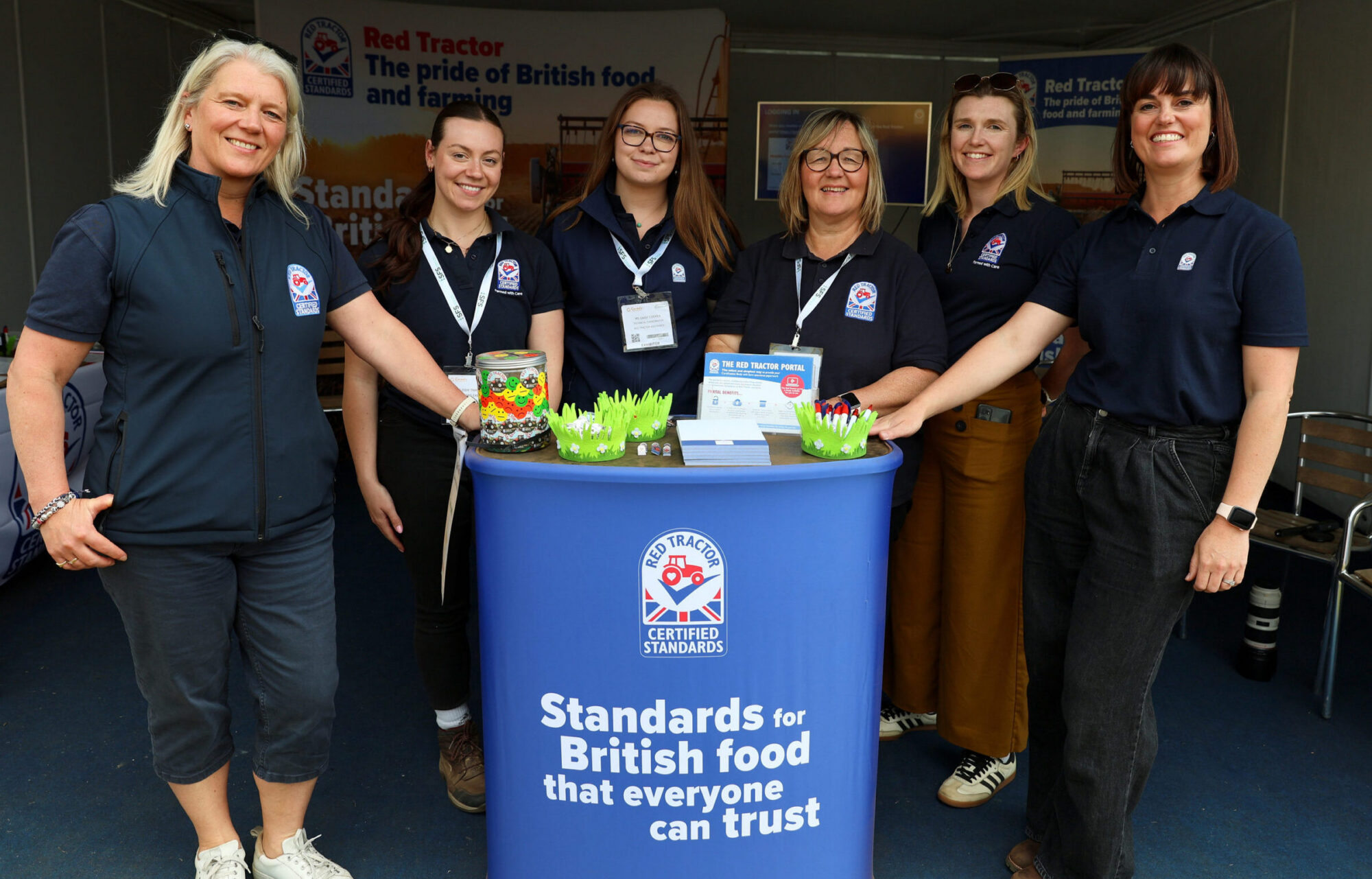
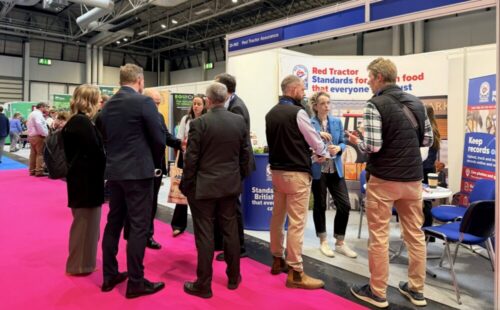
Red Tactor had a good couple of days at this year’s Pig & Poultry Fair, catching up with farmers, partners and stakeholders from across the pig and poultry industries at the NEC in Birmingham. It was a valuable opportunity which reinforced the importance of collaboration at every stage of the supply chain.

Conversations reflecting the realities of modern farming

Red Tractor’s new CEO, Paul McLaughlin, spent time meeting with producers and industry representatives, hearing first-hand about the priorities and challenges facing farmers today. These conversations continue to play a crucial role in shaping how Red Tractor supports these sectors, ensuring that standards and assurance remain grounded in the realities of modern farming and will help shape this year’s work to improve the standards.

A key highlight of the event was a panel discussion featuring Red Tractor’s Director of Communications & Engagement, Jo Miller. The session, “The Communications Battle – How should the poultry sector respond to activism?”, explored the increasing scrutiny faced by the industry exploring how it can respond effectively.

A unified and credible voice

A clear message emerged: trust, transparency and consistency are critical. With growing activism, scrutiny and advances in covert surveillance technology, the sector must work together to ensure a unified and credible voice. An evidence-based, consistent and fair approach is essential to upholding standards and protecting farmers’ reputations and maintaining consumer confidence.

Alongside this, Red Tractor Sector Board Chairs Nick Major and Stewart Houston presented the upcoming standards review for the pig and poultry sectors. Feedback from across the event highlighted a clear priority: standards must remain robust while also being proportionate and reflective of modern farming practices. Getting this balance right is key to supporting producers while continuing to deliver consumer confidence.

Bridging the gap between farmers and consumers

Across all conversations, the importance of education and communication came through strongly. There is a shared recognition that the sector must do more to bridge the gap between farmers and consumers, explaining how food is produced, demonstrating the high standards in place, and confidently telling the story of British farming.

At Red Tractor, our role remains clear. Through robust assurance, independent assessment and close collaboration with farmers, we are committed to upholding credible standards, addressing challenges, driving continuous improvement and protecting the reputation of British agriculture.

Building and maintaining trust requires transparency, accountability and action. Events like the Pig & Poultry Fair provide an important platform to listen, engage and ensure British farming is understood, valued and championed.

15 May 2026

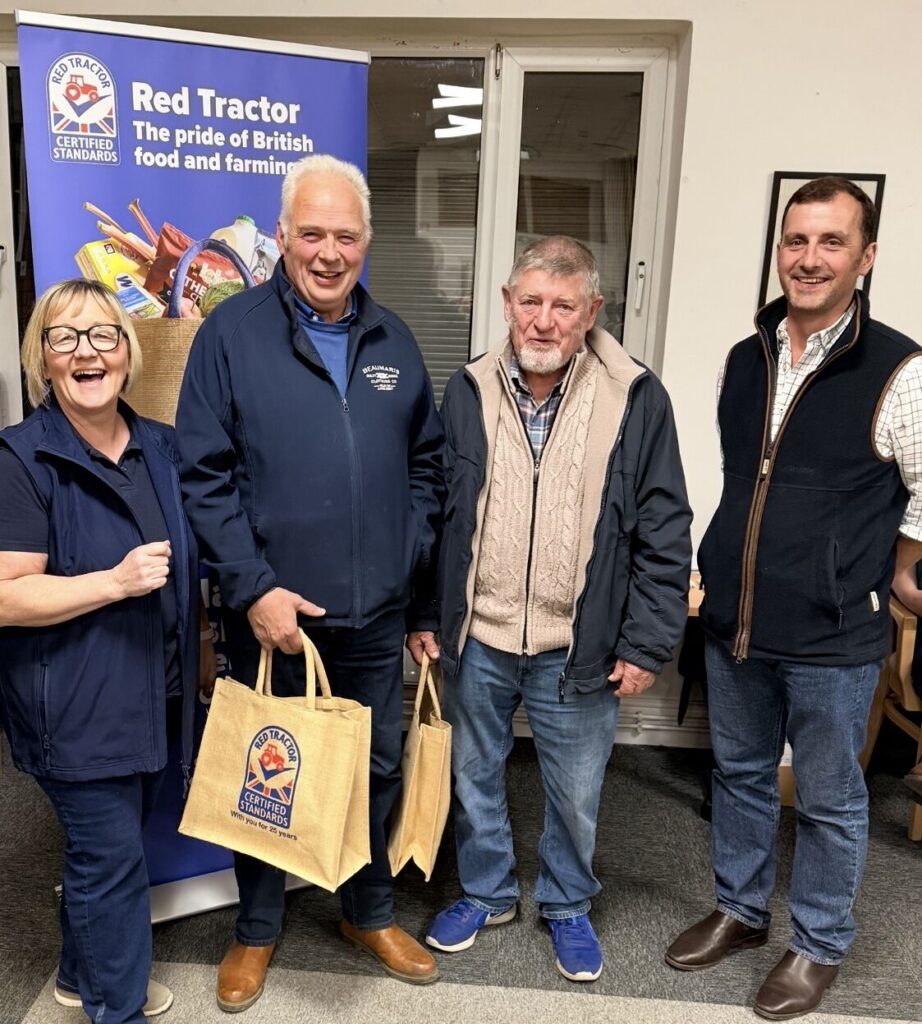
Red Tractor meets farmers at Lutterworth Dairy Discussion Group

Members of the Red Tractor team recently attended the Lutterworth Dairy Discussion Group. This offered another important opportunity for Red Tractor to spend time with and hear from farmers about the issues affecting them.

An open forum for honest conversations

Face-to-face meetings are a valuable open forum for honest conversations about the issues that matter most to farmers and the wider agricultural industry. A range of topics were discussed throughout the evening, such as standards and scheme delivery, broader industry challenges, as well as opportunities in the sector.

Building on the work of the Farm Assurance Review, we’re getting out and talking to farmers to explain how Red Tractor works, including how decisions are made, how they contribute to the review of standards and to hear their feedback.

The team also highlighted Red Tractor’s latest advertising campaign, which celebrated 25 years since the creation of the Red Tractor logo. A new animated advert was created, ‘With You For 25 Years’, that follows a single family’s changing lives over 25 years and showcasing how Red Tractor assured food has been a staple throughout family mealtimes and special occasions. The advert featured on prime-time television and video on demand.

Shaping the future direction of the scheme

For Red Tractor, being out and about at meetings like this is an important way of listening to members’ experiences, concerns, frustrations, and ideas that help ensure farmers’ voices are shaping the future direction of the scheme.

A standout moment of the evening came during the vote of thanks, when one member commented: “You have convinced me that Red Tractor are listening to and engaging with members.” Feedback like this means a lot and reinforces why these discussions are important to Red Tractor.

Real life examples to reduce audit burden

Kate Cross, Senior Assurance & Services Manager at Red Tractor, said: “The passion producers have to ensure, we, Red Tractor, know their strength of feeling about standards is a great springboard for open discussion. The group both listened and challenged us on the information we shared along with providing us with real life examples of where we can look to reduce audit burden.”

Red Tractor would like to thank everyone who attended, contributed to the conversation, and shared their views so openly. We look forward to continuing these discussions with more members across the country at events in the months ahead.

If you’re hosting a farming event and would like someone from the team to come along to share more about what we’re doing, please email memberhelp@redtractor.co.uk

27 Apr 2026

TAC Chairs share updates on the standards review process

Red Tractor is currently reviewing its farm-facing standards and assessment processes. The review aims to utilise new technologies, data and stakeholder feedback to streamline assessments, support the reduction of audit burden, and maintain customer confidence, while ensuring standards remain relevant to the farming sectors they serve.

As part of the process, each Technical Advisory Committee (TAC) has been meeting regularly to review Red Tractor’s farm-facing standards line-by-line.

Fresh Produce

Barbara Bray, Chair of the Fresh Produce TAC says, “The TAC has been meeting regularly to review the existing standards and is now moving towards completing its review of the core requirements. We’re taking a line by line approach and remain committed to reducing duplication and developing smarter, outcome focused standards reflecting current legislation, new evidence and real-world compliance data.”

A leafy salads bolt-on has been drafted with the aim of addressing industry concerns around STEC contamination. It’s due to be launched later in 2026 before potentially being integrated into the core standards, forming part of the standards review.

The review covers 179 standards and 480 audit points, which are assessed through workshops, shared documentation, and engagement with stakeholders to ensure consistency with other schemes. The next step is for the TAC to share draft sections of the updated standards with the Sector Board for feedback when they are completed.

Poultry

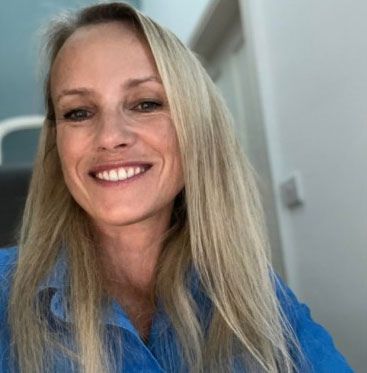
The Poultry TAC has begun to review the existing standards, based on priorities agreed at the end of 2025. Judith Irons, Chair of the Poultry TAC says: “This is to ensure that Red Tractor continues to verify the high welfare, food safety and traceability practices that define British-grown poultry, strengthening the scheme’s role as a trusted mark and add value across the supply chain.” The review will also aim to include the smarter use of data to highlight sector strengths. This will help to further differentiate and promote British poultry production.
This will be a multi-stage process, starting with a check of standards against a broad range of requirements. A detailed redrafting stage will then follow. Changes to the standards will be evidence-based and proportionate, maintaining alignment with other sectors so that consumers continue to recognise Red Tractor as a single, trusted mark.

Dairy

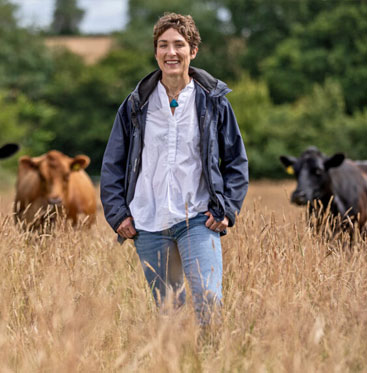
Since October 2025, the Dairy TAC has met every few weeks, and as of mid-April, has finished reviewing half of its 16 modules, with a ninth nearing completion. The TAC has given the Board a schedule of its review plan, and is taking a thorough, line by line approach with every standard. Amy Jackson, Chair of the Dairy TAC says: “The focus is on reducing duplication to develop smarter, outcome focused standards that reflect current and pending legislation, new evidence and real-world compliance data – although it is recognised that streamlining data collection will be just as important in reducing audit burden.”
To ensure transparency and collaboration, the TAC is sharing draft sections of the revised standards with the Dairy Sector Board for review as they become available. At its last meeting, the Board welcomed the constructive way all parts of the supply chain were contributing to the process.

Crops

The Crops TAC has worked together to look at removing or simplifying requirements where possible to reduce audit burden, whilst maintaining food safety and market access. This first stage has now concluded and work will continue establishing a way forward that considers the requirements of all stakeholders.

Alan King, Chair of the Crops TAC says: “In what are challenging times for our industry we are grateful for the support of our TAC members from all across the crops supply chain for their contributions to this extensive and detailed review process.”

Beef & Lamb

The Beef & Lamb TAC are making excellent progress reviewing all standards and audit points, reviewing on a word-by-word, line-by-line basis to make sure that they are all applicable, appropriate, robust and evidence-based. The aim is to reorder the standards for clarity and better assessment flow; and to allow the assessors to focus on the livestock, with clear consistency between assessors.

Feedback on the priorities for this review were limited by align with Red Tractor’s existing priorities of reducing bureaucracy, smarter audits, clarity of standards, improving import parity, and strengthening earned recognition. Jude Capper, TAC Chair said: “The TAC are working incredibly hard on making sure that beef & lamb standards fulfil the expectations of all stakeholders and provide real value in demonstrating the high safety, welfare and traceability practiced on British farms. We are excited to see and act upon the feedback from future consultations.”

Pigs

The Pigs TAC has now begun reviewing the standards, so far looking at Documents & Procedures, Personnel and Vermin Control. At the end of 2025, two new modules were introduced to the Red Tractor Pigs Scheme – Enhanced Welfare Outdoor Bred and Free Range – accompanied by distinctive on-pack logos to clearly communicate higher animal welfare inputs to shoppers.

Stewart Houston, Chair of The Pig Sector Board says: “Developed by the industry and subject to extensive consultation, the new modules are underpinned by standards that provide outdoor producers, who participate in multiple schemes, with a way of reducing their on-farm audits while maintaining access to existing markets.

“They were benchmarked against existing market standards to ensure they reflect meaningful, recognised welfare standards while fitting within the practical realities of commercial pig production.”

As with the last major standards review, your responses will be key to how we take the new Version 6 forward. It will be an honest consultation, with all views taken into account, with post review comms listing the key points from the review.
24 Apr 2026

Red Tractor: Why it’s far more than just a logo for British beef

For many shoppers, the Red Tractor is a quick signpost on a packet of beef, a familiar logo that reassures them the product is British and responsibly produced. For those working across the beef supply chain, the small red tractor symbolises a system of robust, independently verified standards designed to protect the integrity of British beef.

A response to BSE: Rebuilding broken trust

Red Tractor was launched in 2000 in the immediate aftermath of the BSE (“Mad Cow Disease”) crisis and the later Foot and Mouth outbreak, two events that shook public confidence in British beef to its core.

The aim was to rebuild trust through transparency, consistency and independently checked standards, giving consumers confidence in the safety, welfare and provenance of British produce at a time when trust had been severely damaged.

Why Red Tractor is more than a logo

Red Tractor’s credibility comes from the standards that sit behind it, and those standards are extensive. They underpin the entire supply chain and are built on science, evidence, best practice and legislation.

They cover food safety, animal welfare, traceability, and environmental protection. These are not suggestions or aspirations; they are mandatory, audited requirements that farmers and processors must meet every day. Additionally, use of the Red Tractor logo is tightly controlled ensuring that it only appears on assured British produce.

Independent assessment: The backbone of credibility

Independent assessments are what give Red Tractor its authority. The scheme works with more than 350 independent assessors who, alongside undertaking assessments for other schemes, carry out assessments for 17,800 assured beef and lamb farmers in England. These assessments cover both the physical and process elements of the business, checking compliance with standards that span, among other things, feed and water provision, animal health and welfare, health planning, veterinary medicine use and record keeping, housing, movement records, environmental protection, disease prevention, and full traceability.

The impact of those standards is measurable. Research shows that Red Tractor requirements have helped drive down the use of HP-CIAs, supporting responsible antibiotic use while maintaining high welfare and productivity.

Why the standards matter – Especially for beef

Beef farmers understand better than anyone how quickly trust can be lost. BSE proved that reputation can be destroyed overnight.

Without robust assurance, consumer confidence collapses. Exports and market access evaporate. Retailers lose confidence with a consistent, verified supply and the British beef industry loses its competitive advantage.

Red Tractor provides the structure that protects against that risk, safeguarding individual businesses, the wider sector and the reputation of British beef.

Celebrating the quality of British beef

Great British Beef Week is a chance to celebrate the quality of British beef, but it’s also an important moment to remind consumers why assurance matters.

Choosing British beef is essential. Choosing Red Tractor assured British beef goes further.

Looking for the Red Tractor logo means supporting independently verified standards on food safety, animal welfare, traceability and environmental care. It means backing professional British farmers who meet these standards every day, not just during promotional weeks. It means helping to protect the long-term reputation of British beef at home and abroad.

Safeguarding the reputation of British beef

Red Tractor has never been “just a logo”. It is the hard-earned outcome of a system built in response to crisis, created to protect consumers and safeguard the reputation of British beef after one of the most damaging food crises in our history. Its strength lies not in its design, but in the standards, assessments, and daily commitment it represents.

If we want Red Tractor to continue inspiring confidence among shoppers, retailers, and global markets, we must keep telling the story of what sits behind that little red tractor. Because the real value isn’t printed on the pack, it’s lived on the farm, proven in the audits, and earned through trust.

This Great British Beef Week, celebrate British beef and look for the Red Tractor.

22 Apr 2026

Your voice matters: Why farmers should respond to the Defra animal health consultation

Deadline: Midnight, 18 May 2026

The government is currently consulting on proposals that could change how animal health and welfare is managed farms and Defra is asking for your views.

If your farm sheep, cattle or pigs, this consultation matters to you.

This is not a rubber-stamp exercise. It is a genuine consultation, and the outcome will be shaped by who responds.

What’s happening?

The Animal Health and Welfare (AH&W) Pathway was built by industry and government working together to support continuous improvement in farm animal health and welfare. Defra is now exploring whether participation in certain elements of the Pathway should become mandatory in the sheep, dairy, beef and pig sectors.

It asks questions about what could work in practice, what concerns you may have, and what ideas you’d like to see considered.

This consultation is your chance to influence:

  • What measures might become compulsory
  • How they would work in practice
  • What support farmers would need

Your input can shape the outcome. Critically, no decisions have been made yet. Defra wants to hear from farmers, vets and others working in agriculture before anything is finalised.

Why your response matters

If farmers don’t respond, others will shape the future on your behalf.

Trade bodies will submit views, but they cannot replace your individual experience. Real, practical feedback from farmers is what carries weight. There is proof this works. Feedback from pig producers has already led to changes in PRRs testing under the current Pathway.

What you need to do

You don’t have to complete the whole consultation.

Just:

  • Go to the sections relevant to your farm
  • Answer the questions that matter to you
  • Share your honest, practical views

Even a short response is valuable.

What’s relevant to you?

Sheep farmers

Focus on Animal Health & Welfare Review and flock health planning (including parasite control). A few broader questions at the end give you space to raise wider concerns.

Beef and dairy farmers

Key sections include the Review and proposals around BVD – covering herd status, eradication and biosecurity planning.

Pig farmers

Includes PRRS testing and status reporting. Previous farmer feedback has already improved these proposals – this is your chance to influence them further.

How to respond

The consultation is open until midnight, 18 May 2026.

Respond here: Animal Health and Welfare Pathway: Mandatory Proposals – Defra – Citizen Space

22 Apr 2026

Out and about in 2026: Putting farmer conversations first

Throughout the 2026 show season, Red Tractor is stepping out from behind the desk and getting into the field. From early May through to late summer, we want to have meaningful conversations with the farmers at the heart of the scheme.

We’ll kick things off at the Pig & Poultry Fair in early May, followed by the NBA Beef Expo later that month. June sees us heading to Cereals and the Festival of Fresh, before rounding off with the NSA Sheep Event at the end of July.

You’ll also spot the team on the road at Balmoral, the Royal Highland Show and the Royal Welsh Show, ensuring we’re present across all corners of the UK.

Where to find us:

  • 13th & 14th May – Pig & Poultry Fair, NEC Birmingham.
  • 30th May – NBA Beef Expo, Melton Mowbray Mart, Leicestershire.
  • 10th June – Festival of Fresh, G’s, Cambridgeshire.
  • 10th & 11th June – Cereals, Diddly Squat Farm, Oxfordshire.
  • 28th July – NSA Sheep Event, Malvern, Worcestershire.

Our new CEO, Paul McLaughlin, will be at the Red Tractor stand at this year’s Pig & Poultry Fair on 13 May between 12.15 – 1.15 and 4.00-5.00pm.

But this year isn’t just about attending events, it’s about the conversations we have when we’re there.

Ensuring standards reflect modern farming

The future direction of Red Tractor only works if it reflects what’s happening on farm. That’s why listening directly to farmers is so important, especially as we continue progressing the recommendations of the Farm Assurance Review and the Standards Review programme. Farmer and grower input ensures any changes are practical, workable, and grounded in day-to-day farm life.

Ready to listen

That’s why we’re making a real effort this year to be present, open, and ready to listen. Whether you have specific concerns, practical suggestions, or simply want to understand more about how the scheme works, the team will be there for honest, two-way conversations.

These discussions shape what we do, influencing how standards evolve and how we communicate, all in a way that stays rooted in real farming experience.

13 Apr 2026

Make your surplus produce count

Red Tractor Fresh Produce members are invited to participate in FareShare’s scheme to avoid surplus waste.

As a trusted assurance scheme for UK farms and growers, Red Tractor standards set out how members should manage waste responsibly. Where waste cannot be used on farm, it must be disposed of legally and in a way that minimises contamination and pollution risks with registered waste carriers.

Helping growers meet environmental and social goals

This focus on responsible waste management complements efforts to divert fit-to-eat surplus fresh fruit and vegetables away from landfill and into organisations that are helping growers meet both environmental and social goals.

FareShare and The Felix Project have joined forces this year to become the UK’s largest food redistribution charity, working across the food industry to rescue surplus food and get it onto the plates of people in need. They work with 8,000 organisations supporting people in need around the UK. Each year an estimated 4.6 million tonnes of good to eat food is wasted across the UK’s food supply chain, with 2.9m tonnes of that waste occurring at the farm gate. At the same time, more than 1 in every 7 people in the UK don’t get enough to eat.

Helping to feed people in need

Giving your surplus fresh produce to FareShare and The Felix Project is a practical way to make a real difference. At Red Tractor, we understand the time, energy and resources that go into growing high-quality food. By working with these organisations, your hard-earned harvest can help to feed people in need, rather than going to waste.

Thanks to a grant from the government’s Tackling Food Surplus at the Farm Gate scheme, FareShare and The Felix Project have invested in infrastructure and logistics, improving their ability to store, process and redistribute fresh fruit and vegetables.

Supporting local communities

Diverting surplus produce is straightforward, and funding support is available to help cover costs such as harvesting, grading, and packaging. You can turn unsold produce into a positive story for your business, while supporting local communities.

Half of the food redistributed in 2025 was fresh fruit and vegetables. This allowed more local charities to provide healthier, more nutritious meals to those in need.

Holly Wright, East of England Regional Manager at FoodCycle, an organisation supported through the FareShare and Felix Project network, explains why fresh produce matters to the charity:

“Having a variety of different fruit and vegetables means our cooking team can come up with interesting recipe ideas and create balanced meals without relying on store-cupboard items to bulk out the meals.”

Tackling food poverty and food waste

FoodCycle provides community meals with the aim of tackling both food poverty and food waste, while fostering connections within local communities.

Tim Casey, of J&V Casey & Son, explains why he recently donated surplus crop to FareShare:

Tim Casey

“We had got to the end of the leek season and found we were looking at a surplus, we also still had the staff available and able to work, so after a quick conversation with FareShare we agreed to harvest and load out several pallets of leeks, for which FareShare covered our costs to harvest, prep and outload. It meant the crop was used, and it saved us having to mulch the crops back in, with the additional cost and time that entails.”

Contact FareShare to discuss how you can make a difference: givefood@fareshare.org.uk

02 Apr 2026

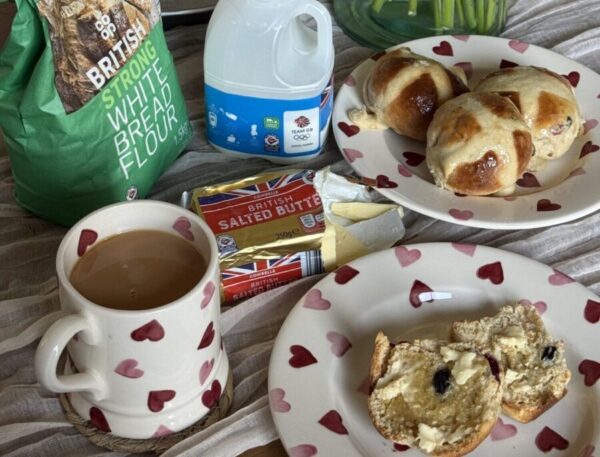
Red Tractor celebrates Easter with trusted, British ingredients

As households across the UK prepare to celebrate Easter over the long weekend, Red Tractor is highlighting the role its food standards play in helping shoppers make confident choices, at Easter and throughout the year.

Easter remains one of the nation’s favourite moments to slow down and savour the comfort of home cooking. Consumers can mark the occasion by looking for the logo when shopping and picking up ingredients that are trusted and certifiably British.

Standards consumers can trust

The Red Tractor logo is a familiar sight in supermarkets and products carrying the mark meet some of the most comprehensive food assurance standards in the world. This ensures they are traceable, responsibly sourced and regularly checked by independent assessors.

When shoppers choose Red Tractor, they’re choosing:

  • Traceability: Every Red Tractor assured product can be traced back through its supply chain to the farm where it was produced.
  • Independent assurance: Regular, rigorous assessments give consumers confidence in how their food has been grown, cared for and prepared.
  • Responsible sourcing: Red Tractor standards cover food safety, animal welfare and environmental protection. This helps support farmers, safeguard animals and help protect the planet.

Seasonal staples all year round

While Easter is a natural moment to celebrate British food, Red Tractor’s work also covers every season. From summer barbecues to autumn roasts and festive winter favourites, the logo helps households shop with confidence all year long.

Whatever the time of year, the standards behind the Red Tractor mark remain consistent and trusted.

As Easter weekend approaches, Red Tractor is encouraging shoppers to keep an eye out for the logo. Whether it’s ingredients for hot cross buns or a weeknight family meal, the logo offers a straightforward way to choose traceable, independently assured British food.

31 Mar 2026

Red Tractor sharpens food safety focus

This article originally appeared in Fresh Produce Journal, March 2026

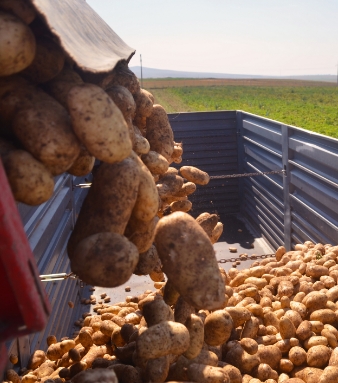
Red Tractor’s Fresh Produce assurance standards cover all fruit and vegetable crops and a wide range of production systems, ranging from low-risk vegetables that are usually cooked, such as potatoes, to higher-risk crops which can be eaten raw, such as leafy salads.

To ensure the standards remain relevant, fit-for-purpose and proportionate to risk, a full review is underway with an updated set of standards anticipated to be in place by spring 2027.

Sam Trevey, Fresh Produce Technical Manager at Red Tractor, says every single standard and audit point is being looked at to ensure it meets the needs of the full supply chain, with a key focus on food safety.

“The standards need to take into account the different risk categories within the sector,” he explains. “While it’s important the higher-risk crops, like salads, have more robust food safety standards, we don’t want to overburden those growing lower-risk crops, like potatoes, with the same standards.

“Equally, the sector and its needs aren’t static either – everything evolved and we need to be aware of shifting cultural norms and farming practices.”

Veryan Bliss, who was appointed Fresh Produce Sector Chair at Red Tractor in December 2025, says the review will be overseen by both the Fresh Produce Technical Advisory Committee (TAC) and the main Sector Board – before being signed off by the overarching Red Tractor Board of Directors.

Bliss adds: “We’re very lucky that there’s such a significant depth and breadth of knowledge on the TAC and Sector Boards with representatives from producers through to retailers.

“The TAC review and advise on the standards to ensure they’re relevant and practical, while horizon scanning to see what we need to include or adapt in line with developments in the sector while the Board reviews the appropriateness following guidance from the TAC.”

Barbara Bray MBE (pictured at the top) is the TAC Chair for Fresh Produce at Red Tractor. She says that in addition to a full review of the standards, a new working group has been set up to strengthen the standards governing leafy salads.

Bray, who leads the group, explains: “The British Leafy Salads Association and Chilled Foods Association came to us and requested we develop a module for leafy salads growers to strengthen food safety, which we’re planning to pilot in the next year.

“It follows an outbreak of Shiga Toxin-producing Escherichia coli (STEC) in 2024 linked to supermarket sandwiches. Although it wasn’t possible to identify the exact source, from an industry point of view, it highlights why it’s prudent to make sure strong standards are in place for food safety from the field and throughout the whole production process, so the industry isn’t left in the firing line.”

She says the shared ambition for the new leafy salads module is to bring the standard for food safety on farm to the same level across the board; demonstrate robust, trusted standards to consumers; and reduce the need for multiple, individual customer audits.

24 Mar 2026

From Red Tractor audits to Britain’s Got Talent

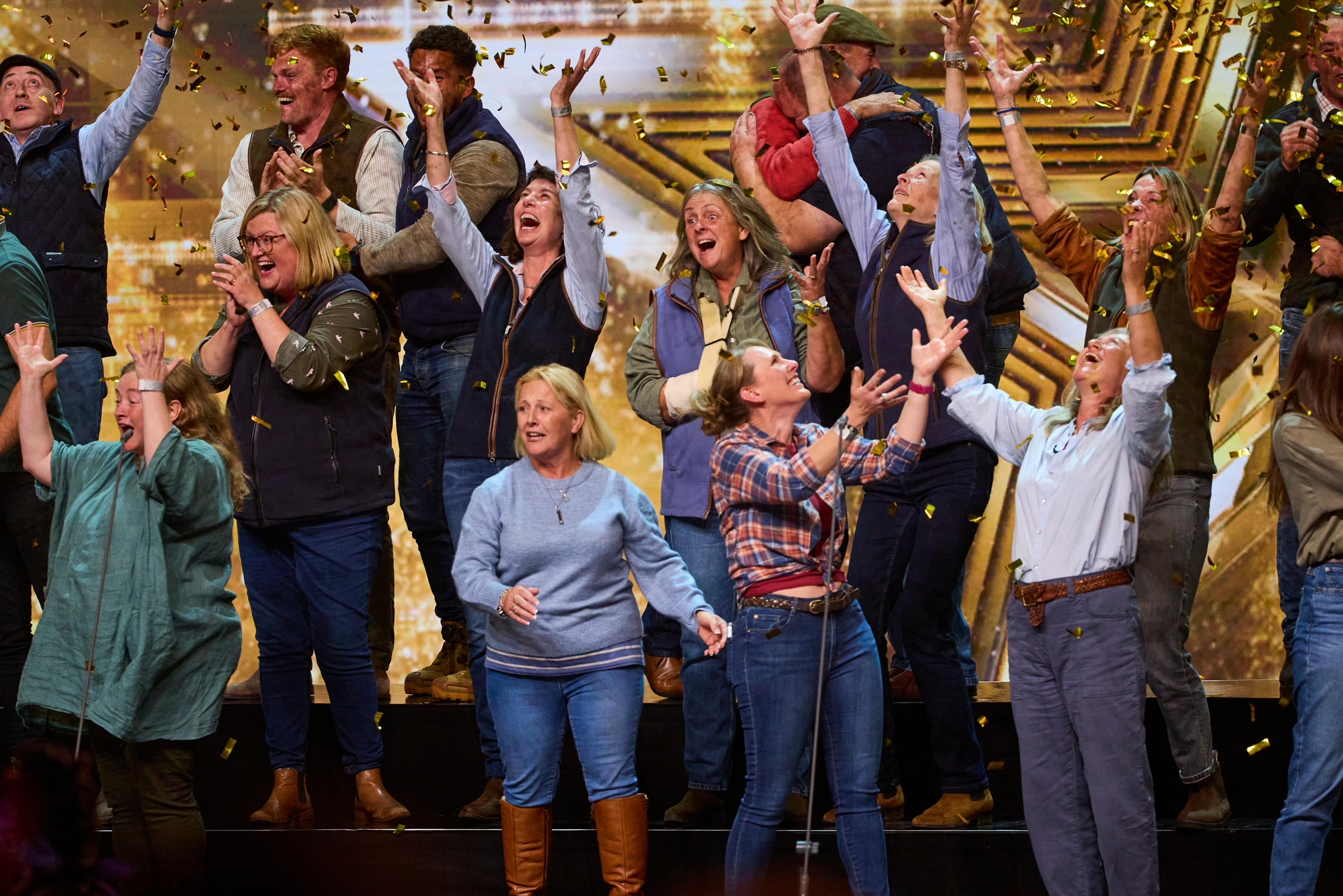
For Abbie Condon, a typical day usually involves the meticulous world of Red Tractor farm assurance and supply chain traceability. Recently, Red Tractor’s Operations Manager has traded her laptop screen for the glittering stage of the Birmingham Hippodrome, securing a Golden Buzzer on the 19th series of Britain’s Got Talent (BGT).

A major step outside of the comfort zone

As a member of the Hawkstone Farmers Choir, Abbie was part of the moving performance of “One Day Like This” that sent the group straight to the live semi-finals. Abbie, who lives just minutes from Jeremy Clarkson’s pub, The Farmer’s Dog, has a unique link to the project – she used to organise Jeremy’s own farm audits.

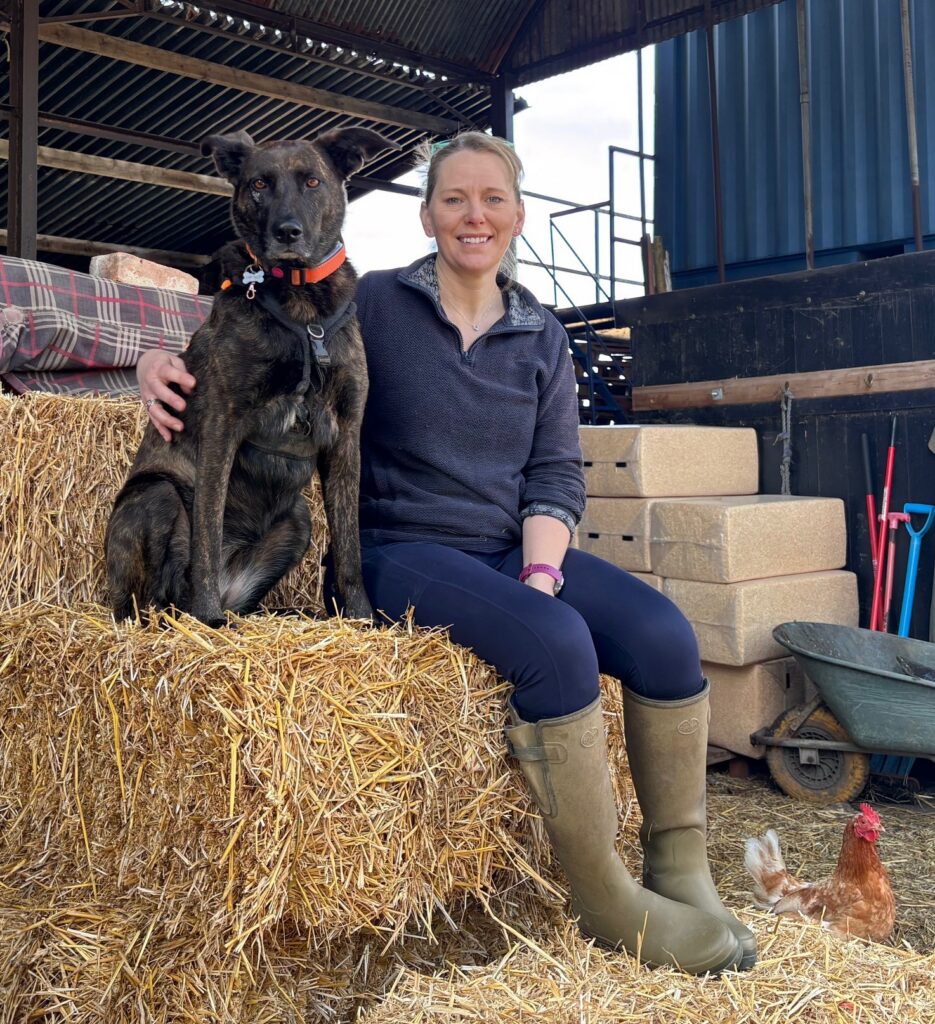
Red Tractor’s Abbie Condon and her dog on farm.

Abbie has worked in farm assurance for ten years. Her role involves coordinating traceability audits to ensure that products carrying the Red Tractor logo can be traced back to assured British farms, ensuring food is safe, traceable and farmed with care.

Abbie admits that singing in front of people was a major step outside of her comfort zone. “I love music and singing although don’t normally sing in front of people – I’m all about the car-karaoke” she laughed.

Bringing together the farming community

Beyond the entertainment, the choir serves as a vital outlet for its members. Abbie joined the group during a difficult time in 2025, finding that the community of like-minded agricultural professionals provided a significant boost to her mental health. The Hawkstone Farmers Choir brings together people from across the UK farming community who share a connection to agriculture and a love of singing, and for Abbie, it is a chance to “fly the flag” for the industry she has supported for a decade.

“I had a bit of a tough time in spring 2025…I saw the Facebook post and thought what a great way to distract me from what’s going on – and it certainly has!” Abbie explains. “It is such a privilege to be able to project British agriculture into the face of the nation that wouldn’t necessarily see us, and be able to tell our story.”

A vital support network

While the BGT success has been a whirlwind, the choir’s core mission remains raising awareness for mental health and suicide prevention within the agricultural sector. The group, which originally formed for a project with Jeremy Clarkson’s Hawkstone brand, serves as a vital support network for those facing the isolation and pressures of rural life.

Abbie and the Hawkstone Farmers Choir are now preparing for the live semi-finals and a series of new projects throughout 2026.